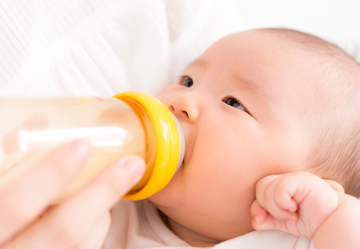


Calcium and Its Important Role During Breastfeeding
Calcium is a vital mineral found in foods like milk, cheese, yogurt, tofu, almonds, and leafy greens. It plays a major role in supporting strong bones and teeth, healthy muscle function, nerve signaling, and heart health.
When a mother breastfeeds, her body prioritizes her baby’s needs. If dietary calcium is low, the body will naturally pull calcium from the mother’s bones to ensure enough is passed into breast milk. Although it is normal for a decrease in bone mineral density when pregnancy and breastfeeding, insufficient calcium can increase the risk of osteoporosis later in life.
Eating a balanced diet rich in calcium helps support both mom and baby. It’s also important to remember that calcium absorption varies depending on the food, in which some foods are more easily absorbed than others.
Vitamin D: A Key Partner to Calcium
Vitamin D plays a crucial role in helping the body absorb calcium. Without enough vitamin D, even a calcium-rich diet will not be effective.
Only a few foods naturally contain vitamin D, such as:
-
Salmon and other fatty fish
-
Egg yolks
-
Fortified foods like certain milks, yogurts, and cereals
The sun is a major source of vitamin D. However, in northern climates like Canada, sun exposure is often limited, especially in the fall and winter. As a result, many people may not reach adequate vitamin D levels from sunlight alone. This is why many healthcare providers often recommend vitamin D supplementation for breastfeeding mothers if their levels are low or if sun exposure is lacking.
Why Calcium and Vitamin D Matter for Babies
Both calcium and vitamin D are essential for healthy bone development in babies. A deficiency in either can lead to rickets, a condition in which bones become soft, weak, or malformed. This condition is more common in northern climates due to lower sunlight exposure and in infants with darker skin, who naturally produce less vitamin D from sunlight.
However, breast milk also contaminants very little vitamin D, even when the mother has sufficient levels. This is why most healthcare providers recommend vitamin D drops for all breastfed babies starting shortly after birth.
If the mother herself is deficient in vitamin D, the baby is at even greater risk of not receiving enough. Ensuring adequate vitamin D and calcium intake during breastfeeding supports both mom’s bone health and baby’s growth.
Sources:
Powell, J. (2025, September 5). Calcium • The Nutrition Source. The Nutrition Source - Harvard Chan School. https://nutritionsource.hsph.harvard.edu/calcium/
Registered Dietitians. (2019). Vitamin D for babies and children (Report No. 404229-NFS). https://myhealth.alberta.ca/Alberta/AlbertaDocuments/vitamin-d-for-babies-and-children.pdf
Society, C. P. (n.d.). Preventing symptomatic vitamin D deficiency and rickets among Indigenous infants and children in Canada | Canadian Paediatric Society. https://cps.ca/en/documents/position/vitamin-d-deficiency-and-rickets-among-indigenous-infants-and-children
The importance of breastfeeding for women’s health | La Leche League Canada. (n.d.). https://www.lllc.ca/importance-breastfeeding-womens-health#:~:text=While%20you%20are%20breastfeeding%2C%20your,birth%20of%20the%20last%20child